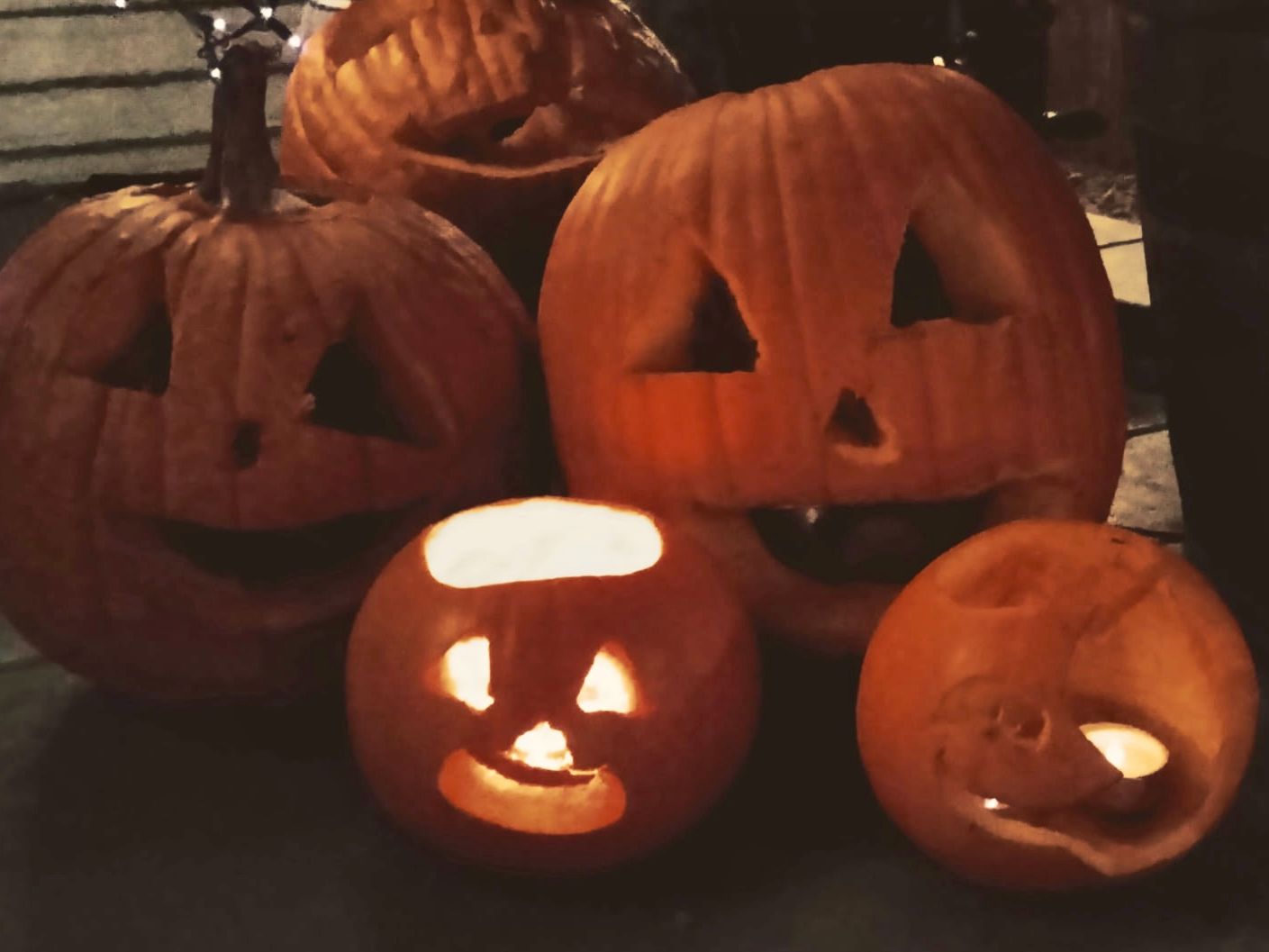
Over the past 2 decades, there has been a dramatic shift in alternative Halloween events over door-to-door trick-or-treating. While the reasons vary, the main concerns among adults, especially in the US, surround higher costs in costumes and treats, health/safety concerns, and avoiding social stigma unless they’re accompanying their children.
Families take their kids out to trunk-or-treats, go to local community events, or stay at home to watch horror movies as safer alternatives. What about for teens?
A survey was done for CSArts students’ responses to whether or not they still go trick-or-treating and if there’s a correlation between their grade levels and possible reasons why they do or don’t.
Out of the 58 respondents, there are 19 freshmen (32.8%), 17 sophomores (29.3%), 14 juniors (24.1%), and 8 seniors (13.8%). From those 58 students, the plurality (55.2%) said they still trick-or-treat. The rest said they sometimes do or they only go with friends and family.
The most common reasons respondents said they stopped trick-or-treating or don’t do it as often is trick-or-treating not being fun, growing out of it, and being too busy. The runner-ups were not having enough friends to trick-or-treat with, and a preference for Halloween parties. The grade levels are quite evenly distributed, with juniors slightly more affected.
Of the only people who replied to the fear of social stigma as a reason, only two seniors chose this. This could imply that older teens are more likely to be affected by this than younger age groups.
The most interesting thing about the survey is that a fair amount of respondents said they know more people who worry they’re “too old for trick-or-treating” than those who said they themselves are too old. This is still the minority compared to the majority who said they don’t know anyone who feels too old, but it’s an interesting comparison nonetheless.
One student speculated that there’s less of a correlation between peer pressure/social stigma and age and more to do with evolving tastes, as it is a natural part of growing up. “I feel it has to do more with aging tastes and changing interests, not necessarily feeling too old or un-cool, given many of our peers love to do both [parties and trick-or-treating],” said one student.
A few students suggested that because trick-or-treating is seen as more of an activity for younger children, older people feel inclined to let them have fun instead. “I think it’s because you usually see small children do it and by the time you’re in high school, there are better things to do,” said another student.
The survey points out that there may be a slight correlation between the older grades and their growing disinterest in trick-or-treating, finding it inconvenient with their schedule or friend groups, or wanting to avoid judgment, and in turn, younger grades being more likely to continue. However, it seems to be a universal issue that depends more on the people we surround ourselves with, rather than our age. They can have an effect on how we choose to have fun and celebrate events.
Like always, it’s important to go to a safe neighborhood and go with people you trust. Whether you still go trick-or-treating purely for the enjoyment of dressing up and getting free candy, connecting with friends, or for nostalgia, trick-or-treating will always remain a classic holiday tradition.
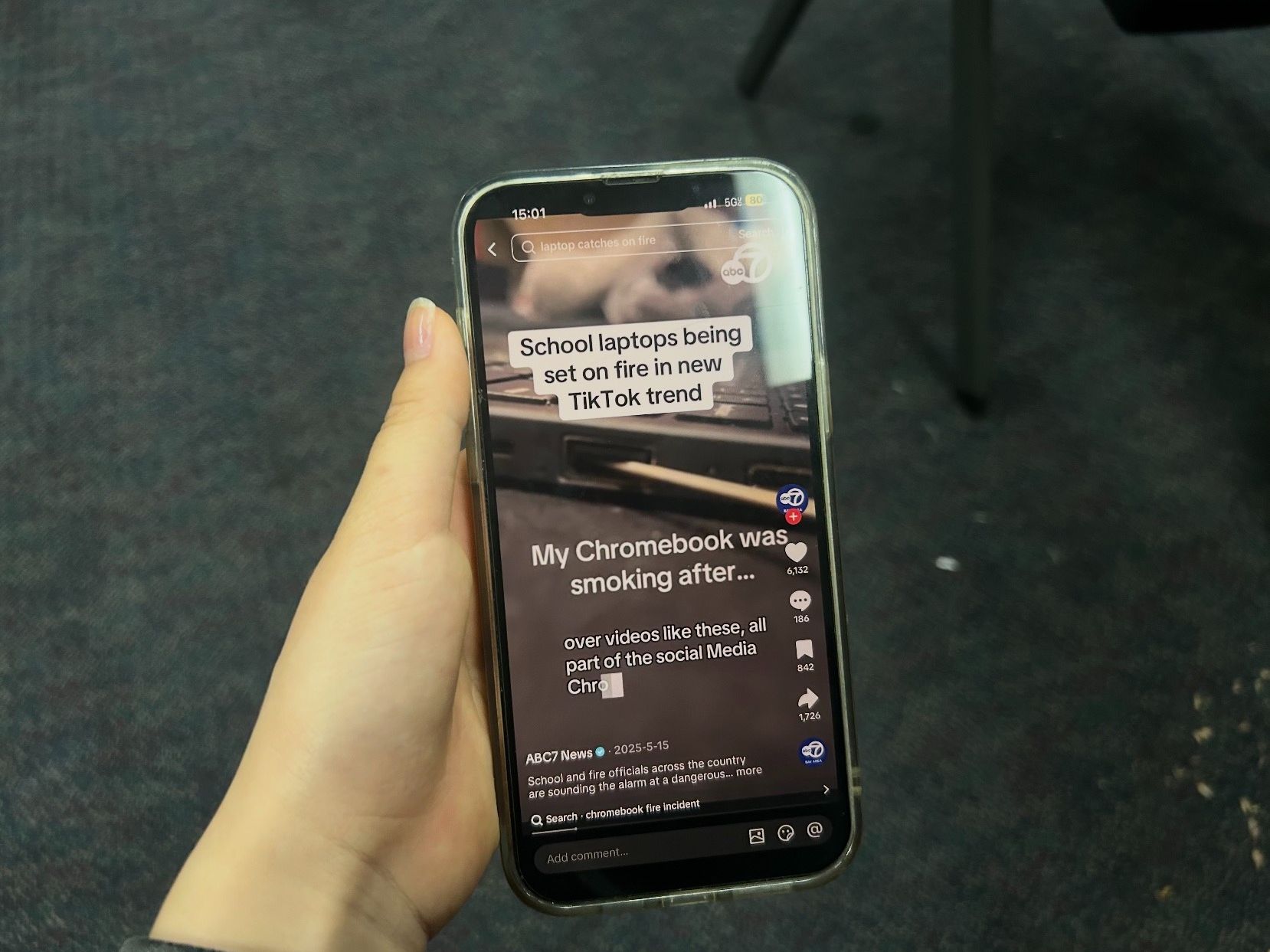 The Danger of TikTok Trends