Famous creators and trends all over the world have come from one place: TikTok. The platform has become a major source of entertainment and creativity, but underneath the innocent dances, jokes, and challenges are trends that can have serious consequences.
At their core, TikTok trends can be harmless. They can build community and give people ideas for content, but they can also become repetitive and limit creativity. More concerningly, some trends encourage dangerous choices for attention.
One example is the “Blackout Challenge,” which involved people intentionally restricting their oxygen until they lost consciousness. According to The Independent, the challenge was linked to more than 100 deaths worldwide. In an 18-month period, 20 children died, including 15 who were 12 or younger and 5 ages 13 or 14. With 68% of U.S. teens ages 13 to 17 using TikTok in 2026, dangerous trends can quickly reach a young audience.
“Certain TikTok trends can just be turned into such a serious thing,” said Leia VanAckeren, a sophomore in Creative Writing. She believes people can become more focused on fame and attention than common sense, sometimes making choices that harm themselves or others.
“People mostly do this just to get likes and just to get attention, and they’re willing to sacrifice their life for fake attention online,” Luna Borboa, a sophomore in Creative Writing said about the Blackout Challenge.
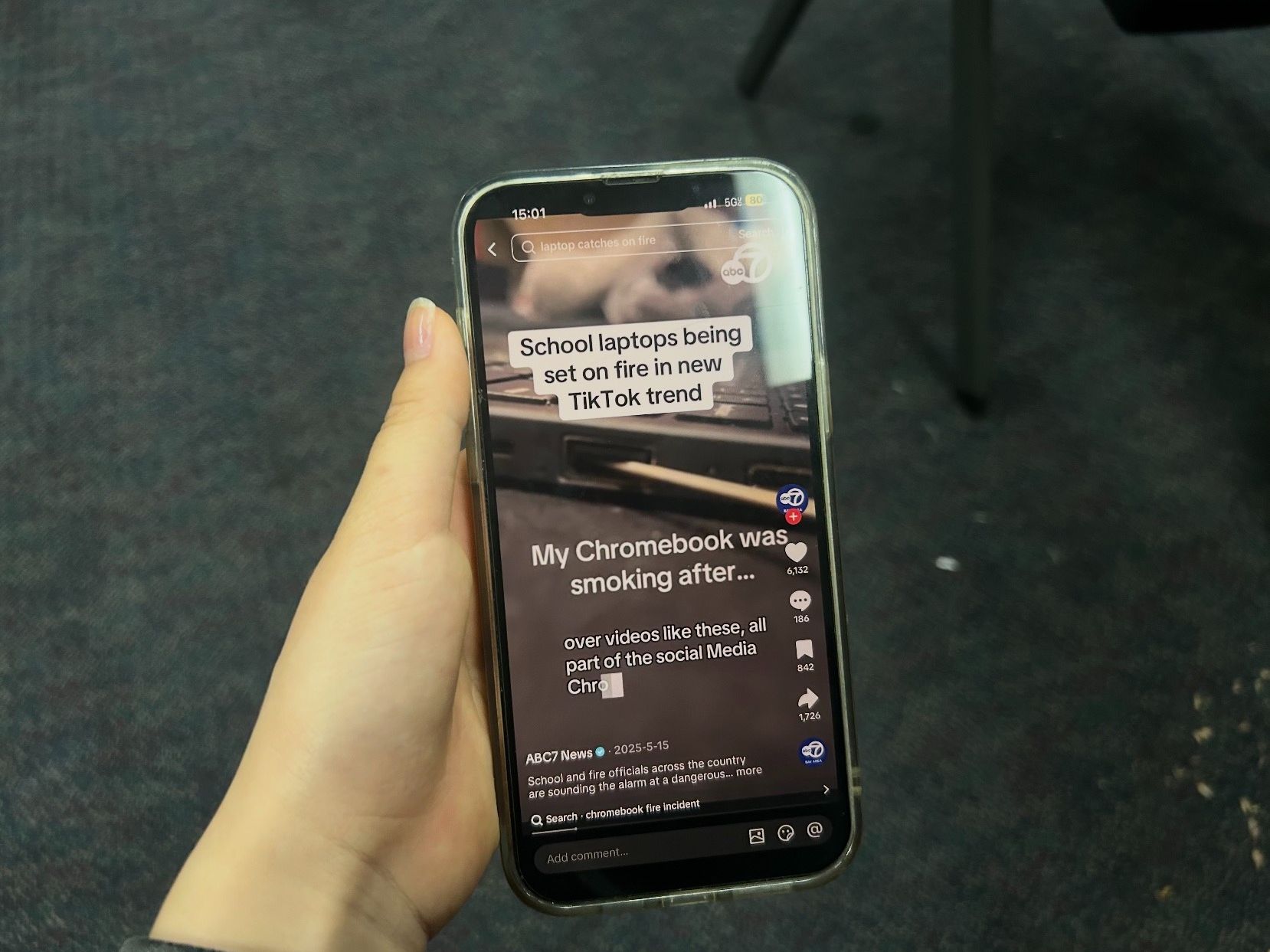
Not every trend today is viewed as dangerous. Recent trends have shifted toward trends that are mostly “worthlessly silly,” Borboa said. But, she also pointed to school theft trends where some students would steal soap dispensers from schools, damaging school property and cutting school funds for new dispensers to be installed. These act as examples of how TikTok challenges can encourage unacceptable behavior.
Vanderbilt Medical Center says, “Education can help with prevention. It is important to be active in your child’s life. A great start could be hosting a family conversation about the importance of not participating or imitating these behaviors.”
 Slumped and Unprepared